Source Vintage Ceramic Tea Canister for Storage, Display, and Daily Use
Compare 30 listings of vintage ceramic tea canister options featuring stoneware and glazed finishes. Buyers can evaluate customization, MOQs, and certifications like FDA and LFGB for home decoration or daily use applications.
Key considerations
Products List




Comprehensive Sourcing Guide
Sourcing Guide for Vintage Ceramic Tea Canisters
Understanding Product Attributes and Design Variations
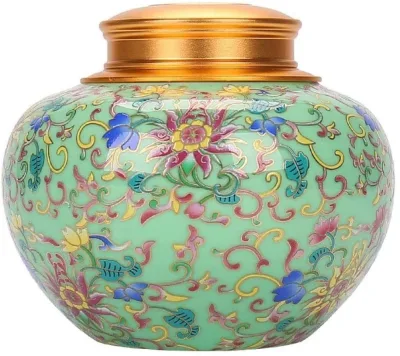
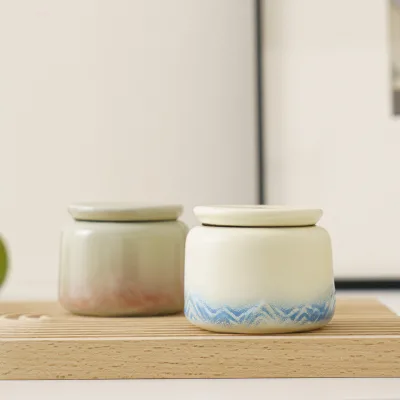
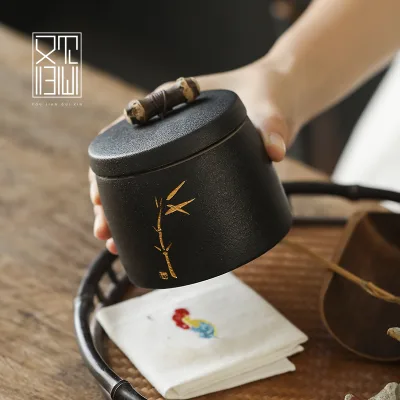
When sourcing vintage ceramic tea canisters, buyers must first distinguish between the aesthetic intent of "vintage" and the actual manufacturing attributes observed in the current market. The term often implies a specific nostalgic or rustic appeal, yet the supply chain for these items frequently blends traditional aesthetics with modern production capabilities. Based on available product data, the market offers a diverse range of shapes and styles that cater to different procurement needs. While the core keyword suggests a singular style, the actual inventory includes items described with "Countryside Style" as well as "Cartoon" designs, indicating a broad spectrum of visual themes available to buyers.
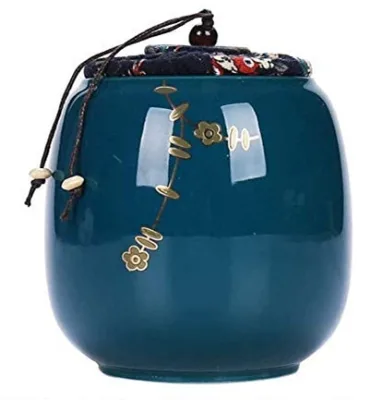
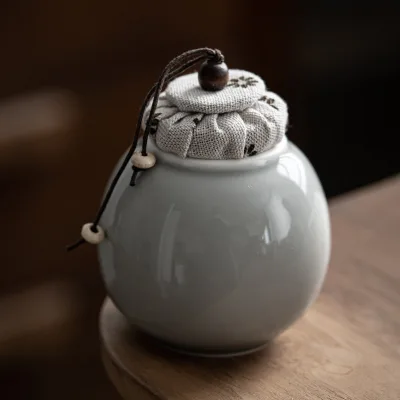
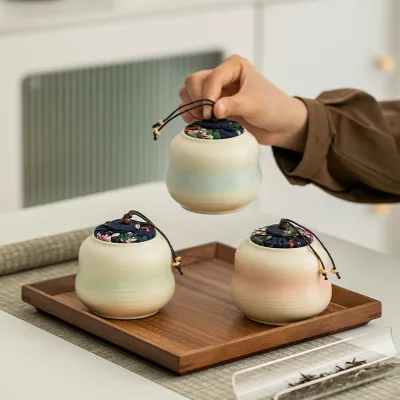
The physical form of these canisters varies significantly. Observations indicate that the primary shape is "Round," which is a standard for efficient storage and stacking. However, unique variations exist, including "Animal" shapes that add a decorative element suitable for home decoration or daily use. This duality suggests that a single supplier may offer both functional, utilitarian canisters and decorative pieces that serve as home accents. The material composition is consistently identified as "Ceramic," with specific references to "Stoneware" for pitcher-style vessels. This distinction is critical, as stoneware generally offers higher density and durability compared to earthenware, making it more suitable for long-term food storage.
The surface finish is another critical attribute. Many listed products feature a "Glazed" surface decoration, which provides a smooth, non-porous layer essential for containing tea leaves and preventing moisture ingress. The firing temperature is a technical specification that buyers should verify, with observed data pointing to a firing temperature of 1280 degrees. This high-temperature firing is indicative of a robust ceramic body that is less prone to chipping and cracking. Furthermore, the production process is noted as "Hand Built," which implies a level of artisanal craftsmanship that may justify a higher price point compared to mass-produced, machine-pressed alternatives. The "Modern" age classification suggests that while the style may be vintage-inspired, the manufacturing techniques and quality control standards align with contemporary industrial practices.
Technical Specifications and Functional Performance
Technical specifications define the utility and longevity of a ceramic tea canister. For a product intended for food storage, the capacity and sealing properties are paramount. Available data indicates a capacity range of 1000-2000ml, which is suitable for storing significant quantities of tea leaves, ensuring that the canister can serve both commercial and household needs. The "Food Storage" classification confirms that these items are designed specifically for keeping food items fresh, rather than for dry decorative display alone.
The functional performance of the canister is heavily influenced by its material properties. The "Stoneware" classification suggests a vitrified body that is inherently stronger than standard ceramic. A key feature observed in the product listings is "Leakproof," which is a critical requirement for tea storage to prevent the escape of aromatic oils and the ingress of humidity. However, buyers must verify that this claim applies to the specific model and includes a compatible lid mechanism, as the ceramic body itself does not create a seal without a gasket or tight-fitting closure. The "Non-Disposable" attribute reinforces the expectation of durability and reusability, distinguishing these items from single-use packaging.
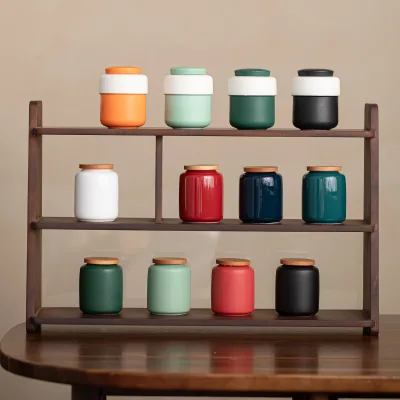
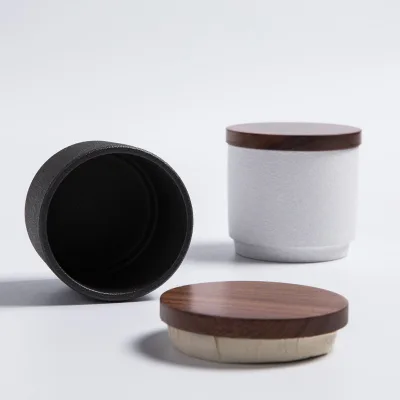
Color and design options also play a role in the technical selection. Listings show both "White" and "Multicolor" options, allowing buyers to match the canister to specific branding or interior design themes. The "Single" type designation suggests that many units are sold as individual pieces rather than sets, which is common for custom orders. The "Chinese" feature highlights the cultural origin of the design aesthetic, often associated with traditional tea culture. For buyers seeking a specific look, the availability of "Customized" options allows for personalization, including the ability to have logos printed on the surface. This customization capability is supported by the "OEM and ODM" welcome status found in supplier profiles, indicating flexibility in design adaptation.
Compliance, Certification, and Food Safety Standards
Ensuring that ceramic tea canisters meet international food safety standards is a non-negotiable aspect of B2B procurement. The ceramic industry is subject to strict regulations regarding lead and cadmium leaching, particularly when the product is intended for food contact. The provided data lists several critical certifications that buyers should look for to validate compliance. These include "SGS," "FDA," "PROP65," "LFGB," "CE / EU," "EEC," and "CIQ."
The presence of "LFGB" (German Food and Feed Code) and "FDA" (U.S. Food and Drug Administration) indicates that the products have undergone testing for chemical migration and are deemed safe for food contact in major markets. "PROP65" compliance is essential for sales in California, USA, ensuring that the product does not contain chemicals known to cause cancer or reproductive harm. "CE / EU" and "EEC" marks are necessary for entry into the European Economic Area, confirming adherence to European safety directives. "CIQ" (China Inspection and Quarantine) represents the export inspection standard from the country of origin.
Buyers must treat these certifications as verification points rather than automatic guarantees. The data notes that standards such as "ISO 27001:2022" are part of the background context but should not be assumed to apply to the physical product unless explicitly stated in the supplier's documentation. Instead, buyers should request current test reports from the supplier that correspond to the specific model number, such as "JN0024," "D0356," "D0390," or "EA0179." These reports should be issued by accredited third-party laboratories and must cover the specific glaze and body composition of the canister.
It is also important to verify the "Quality" grade. One listing mentions "Ab Grade," which may indicate a specific tier of quality control. Buyers should clarify what this grade entails in terms of defect rates and visual imperfections. For high-end procurement, "Ab Grade" might be insufficient, and a "First Grade" or equivalent standard should be requested. The "Normal Safe Packing" and "Customized Boxes" options mentioned in the data suggest that the packaging itself is designed to protect the product during transit, which is a secondary but vital aspect of maintaining the integrity of the ceramic until it reaches the buyer.
Cost Drivers and Pricing Dynamics
The pricing of vintage ceramic tea canisters is influenced by a complex interplay of material costs, labor intensity, and customization requirements. The observed price range in the market spans from $0.04 to $85, a variance that reflects the difference between basic, mass-produced items and high-end, hand-crafted pieces. The lower end of this spectrum likely corresponds to machine-pressed, standard-colored canisters with minimal decoration, while the upper end represents hand-built, custom-glazed, or uniquely shaped items.
Labor is a significant cost driver, particularly for products described as "Hand Built." This process requires skilled artisans to shape the clay, apply glazes, and ensure consistency, which increases the unit cost compared to automated production lines. The "Firing Temperature" of 1280 degrees also contributes to energy costs, as maintaining such high temperatures in kilns requires substantial fuel or electricity. Additionally, the "Glazed" surface decoration adds a layer of complexity and cost, especially if the glaze involves multiple colors or intricate patterns.
Customization is another major factor affecting price. The data indicates that "OEM and ODM" services are welcomed, and logos can be printed on the product. Custom molds, special glaze colors, and unique packaging designs all incur additional tooling and setup fees. The "MOQ" (Minimum Order Quantity) is a critical component of the cost structure. Many listings specify an MOQ of 1000 pieces, which suggests that the unit price is highly volume-dependent. Buyers ordering below this threshold may face higher per-unit costs or may need to pay a setup fee. Conversely, larger orders can leverage economies of scale to reduce the cost per unit.
The "Sample Time" of 15-20 days and the "Delivery Time" of 35-50 days after sample confirmation also impact the overall cost of procurement. Longer lead times can tie up capital and increase inventory holding costs, so buyers should factor these timelines into their supply chain planning. The "by Sea" shipping method mentioned in the data is the most cost-effective for heavy ceramic items, but it requires careful planning to avoid delays and additional storage fees.
Supplier Evaluation and Production Capabilities
Evaluating a supplier for vintage ceramic tea canisters requires a deep dive into their production capabilities and reliability. The "prod_origin" is consistently listed as "China," with specific mentions of "Fujian, China" as a manufacturing hub. Fujian is known for its rich history in ceramic production, making it a logical source for these items. However, buyers should not rely solely on the region name; they must verify the specific factory's capacity and quality control systems.
The "Customization" availability is a key indicator of a supplier's flexibility. The ability to offer "Customized Boxes" and "Customized" designs suggests that the supplier has the infrastructure to handle bespoke orders. Buyers should assess the supplier's experience with "OEM and ODM" projects to ensure they can meet specific design requirements without compromising quality. The "Sample Time" of 15 days is a standard benchmark, but buyers should confirm if this timeline is realistic for their specific customization needs.
Quality control is another critical evaluation point. The "Hand Built" process introduces variability, so suppliers must have robust inspection protocols to ensure consistency. Buyers should ask about the defect rate and the process for handling "Ab Grade" or lower-quality items. The "Normal Safe Packing" and "Customized Boxes" options indicate that the supplier understands the fragility of ceramic products and has measures in place to prevent damage during shipping.
The "Delivery Time" of 40-50 days after sample confirmation is a significant lead time that buyers must account for. This duration includes production, quality checks, and shipping preparation. Buyers should verify if this timeline is inclusive of sea freight or if it only covers production time. The "by Sea" shipping method is standard for large orders, but buyers should discuss contingency plans for delays or expedited shipping options if necessary.
Quality Control and Long-Term Procurement Strategies
Implementing a rigorous quality control (QC) strategy is essential for maintaining the integrity of the supply chain for ceramic tea canisters. Given the "Hand Built" nature of the products, visual inspection is paramount. Buyers should establish clear criteria for acceptable defects, such as glaze bubbles, color variations, or minor chips, and communicate these standards to the supplier. The "SGS, FDA, PROP65, LFGB" certifications should be verified through third-party reports for every batch, ensuring that the chemical safety standards are consistently met.
Long-term procurement strategies should focus on building a stable relationship with suppliers who can deliver consistent quality over time. The "MOQ" of 1000 pieces suggests that buyers should plan for steady, recurring orders rather than sporadic purchases. This approach helps in negotiating better pricing and securing priority production slots. The "Customized" options allow for brand differentiation, which can be a competitive advantage in the market.
Buyers should also consider the "Environmental" impact of their procurement. The "Eco-Friendly" feature mentioned in some listings indicates that some suppliers are adopting sustainable practices. This could include the use of lead-free glazes, energy-efficient kilns, or recyclable packaging. Aligning with suppliers who prioritize sustainability can enhance the brand image of the buyer's products.
Finally, the "Sample Time" and "Delivery Time" should be integrated into the buyer's inventory management system. With a sample time of 15 days and a delivery time of 35-50 days, the total lead time can exceed two months. Buyers should maintain a buffer stock to avoid stockouts and ensure a continuous supply of tea canisters. Regular communication with the supplier and periodic quality audits will help maintain high standards and mitigate risks associated with long lead times and complex manufacturing processes.
Comparison of Key Product Specifications
| Attribute | Observation 1 | Observation 2 | Observation 3 |
|---|---|---|---|
| Shape | Round | Animal | Round |
| Style | Countryside Style | Cartoon | Glazed |
| Material | Ceramic (Stoneware) | Ceramic | Ceramic |
| Capacity | 1000-2000ml | Customized | Customized |
| MOQ | 1000 PCS | 1000 PCS | 1000 PCS |
| Sample Time | 15-20 Days | 15 Days | 15 Days |
| Delivery Time | 40-50 Days | 35-45 Days | N/A |
| Certifications | SGS, FDA, PROP65, LFGB | LFGB, FDA, CE / EU | EEC, CIQ, LFGB, FDA, CE / EU |
| Customization | Available | Customized | Customized |
| Origin | China | Fujian, China | China |
This table summarizes the variability in specifications across different product listings. While the core attributes like material and MOQ remain consistent, the shape, style, and certification details vary, highlighting the need for buyers to carefully select products that match their specific requirements. The "Customized" nature of the product allows for significant flexibility, but it also requires clear communication to ensure that the final product meets the buyer's expectations.
FAQs
What certifications ensure food safety for these canisters?
Products typically carry LFGB, FDA, CE, and PROP65 certifications to verify safety. These marks confirm compliance with international standards for lead and cadmium leaching. Buyers should request specific test reports for each model number to validate the glaze and body composition before ordering.
How long does delivery take after sample confirmation?
Delivery generally requires 35 to 50 days once the sample is approved. This timeline includes production and preparation for sea freight shipping. Buyers must account for this lead time when planning inventory replenishment to avoid stockouts.
Can suppliers customize the logo and packaging design?
Yes, OEM and ODM services are welcomed with options for printed logos and custom boxes. Suppliers offer normal safe packing or tailored packaging solutions to protect the ceramic items. This flexibility allows buyers to align the product with their brand identity.
What is the minimum order quantity for these items?
The standard minimum order quantity is 1000 pieces for most models. This volume requirement helps suppliers manage production costs for hand-built and glazed items. Orders below this threshold may incur higher per-unit costs or require special setup fees.
Which materials and firing temperatures are used in production?
Items are made from ceramic or stoneware and fired at approximately 1280 degrees. This high temperature ensures a durable, non-porous body suitable for food storage. The hand-built process adds an artisanal quality while maintaining structural integrity for daily use.
What capacity range is available for tea storage?
Available capacities range from 1000 to 2000 milliliters to store significant tea quantities. This size is ideal for both commercial and household needs while preventing moisture ingress. The leakproof feature helps preserve the aroma and freshness of the tea leaves.